
The #freeBrittany movement left a broken woman twirling alone in her living room, reportedly hooked on meth. In New York City, a homeless man slammed a random woman’s head into a moving subway. School closures during the pandemic accelerated a mental health crisis in our youth.
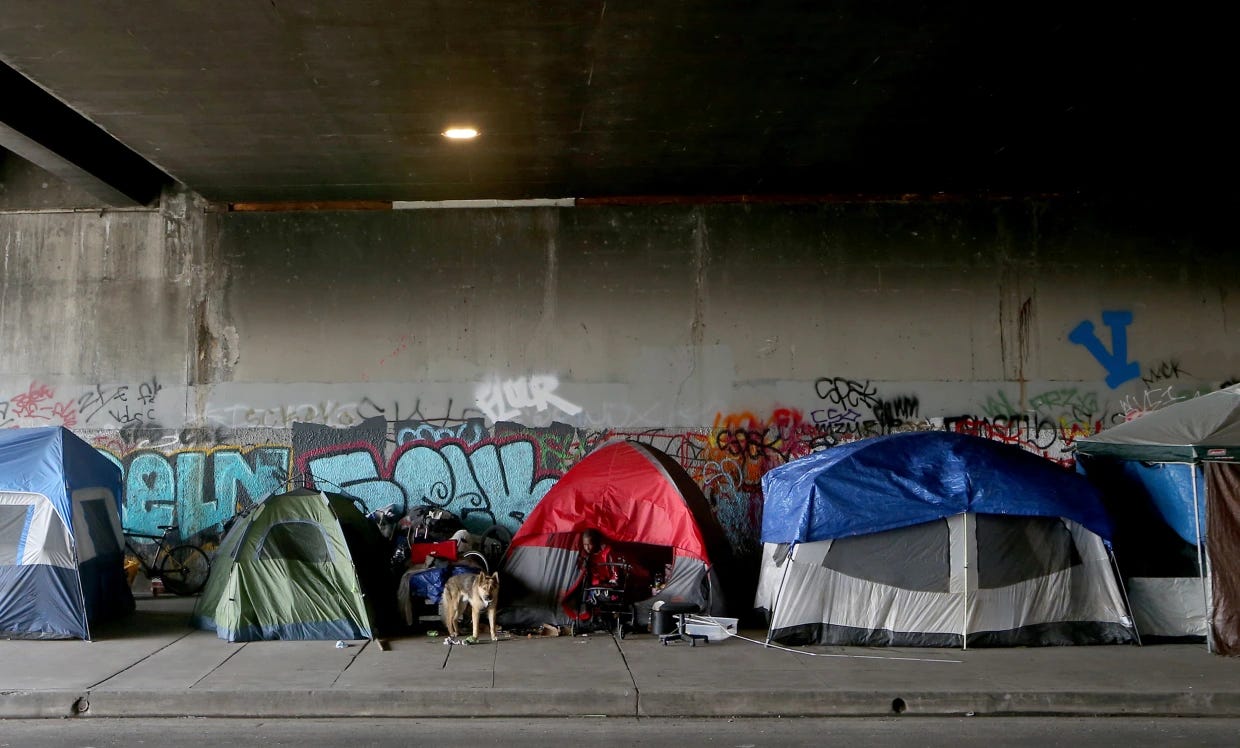
We are about to have a long overdue conversation about a topic that nobody wants to touch: mental health. Mental illness is unpleasant, after all. Those with issues might be living in homeless shelters and smell like old socks and urine. Their issues are expensive and messy. But the problems have become impossible to ignore with folks living in tents in Prospect Park and having full scale meltdowns on public transportation.
Read more at Apt. 11D, the newsletter


Reading the healthcare article (NYT) today on the KFF report about people’s interactions with insurance and the article on cancer care becoming chronic disease care (NYT, and the resulting miracle but also inequity) and the article (NYT) on other health care/health insurance system that basically asks for “public school” for health care (public clinics, but private systems coexist) has me needing to take a break. I think the bottom line is that as a country, to address these issues, we are going to have to be politically willing to support a lot more sharing than I think this population is willing to do. And, a more government rules about how we do things (say, as an example, state laws about reading instruction as an analog to laws about treatments).
(Wait, I apparently ended up not taking a break)
LikeLike
But, will do so enjoying your bag obsession, which I also have, and, in some of the same way, of wanting to find the perfect bag that fits just what I want to carry.
I will be interested to hear the report on how the Emperia sling bag works for you, especially carrying the camera.
My current regular bag that I carry on airplanes can, with careful stuffing, carry an iPhone, iPad, a paperback, small camera, wallet/case, earpods. I use it as my seat bag on flights. It’s made of fabric though and offers no protection to any of those items. I’m thinking of testing out this Fossil bag: https://www.fossil.com/en-us/products/kyler-tote/SHB3103376.html
I like the organization in the minoy bag, but, it has to fit what you need. I really like transferrable wallet cards/mini bags, since I want to be able to transfer cards, license, keys, chapstick, . . . . from one bag to another.
LikeLike
There needs to be a lot of change. One of the heartbreaking aspects of my wife’s private practice is that if she fills her practice by taking insurance for all her clients she will make barely enough money for it to be more than her job with the schools. So while she has built a client base by signing up with insurance providers, she has to gradually phase that out to cash clients with a few pro bono clients. But when she can get 150 from a cash client vs 70 from insurance (which comes with additional paperwork and hassle), it’s hard to be altruistic when there are student loans to pay.
LikeLike
Something we’re not talking about enough is the interaction between drug use and mental health breakdowns. The quantity of severe mental illness in a community is not necessarily static.
Meth is obviously really bad for mental health, but there’s even reason to be concerned about effects of marijuana. A study in Denmark found that “as many as 30% of cases of schizophrenia among men aged 21-30 might have been prevented by averting cannabis use disorder.”
https://www.nih.gov/news-events/news-releases/young-men-highest-risk-schizophrenia-linked-cannabis-use-disorder
LikeLike
That’s an interesting article. My wife has definitely encountered a lot of people with depression and anxiety self medicating with marijuana and alcohol. Of course that isn’t cause/effect like the article suggests. In the 90s a significant portion of my friends who were big pot smokers went on the new SSRIs and pretty much quit marijuana.
One of the big challenges in the US is that addiction and mental illness tend to be treated in separate facilities and via separate funding channels which makes it hard when you have both happening for a client. There tends to be a “get clean then we can treat you” mentality but the reality is treatment of the accompanying mental illnesses needs to happen to work on the addiction. Ironically when my wife worked in Juvenile Hall that was one place where they did both since the kids were stuck there.
LikeLike